
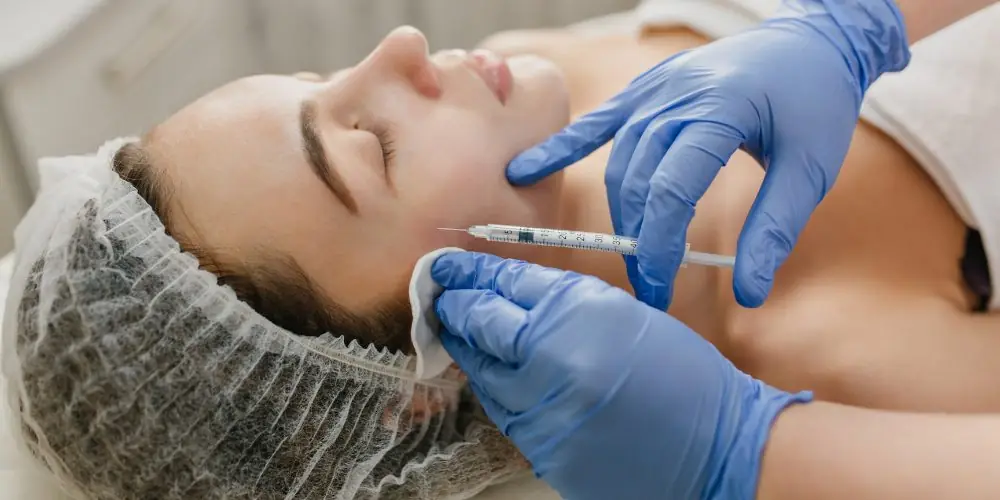
Concerns around aesthetic treatments have become louder, especially on social platforms where people openly share personal experiences with injectables. A growing number of users have started questioning whether wrinkle-relaxing treatments are lasting as long as expected, with a suspicion that some products may be overly diluted during preparation.
One viral TikTok by Alexis Poulos, viewed more than 1.3 million times, reflects this frustration. The caption read, “why Botox not working anymore??!”
Comment sections quickly filled with responses suggesting dilution issues, including remarks such as “Because they’re diluting it lol.” Another creator, Bryce Gruber, also sparked similar discussions, with viewers debating whether neuromodulators are being altered to reduce costs per treatment.
These conversations highlight a broader curiosity: what actually happens inside a syringe before treatment begins, and whether dilution truly affects outcomes.
What Happens Inside a Neuromodulator Vial
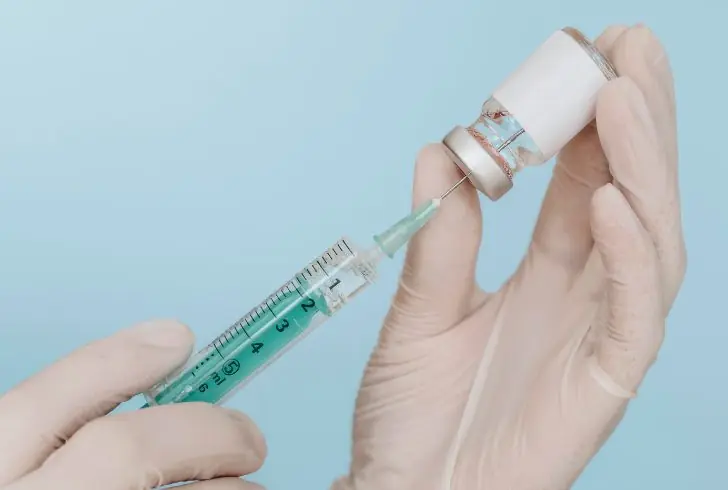
Neuromodulators like Botox do not arrive in ready-to-use liquid form. Each vial contains a purified powder that must be mixed with sterile saline before injection. This process is called reconstitution.
Saline is not an added trick or cost-cutting method—it is a required step in preparation. Without it, the product cannot be injected.
Once mixed, a vial is typically used across multiple patients in a single day or stored under refrigeration for a limited period, usually up to about four weeks depending on manufacturer guidance. This preparation method is standard across clinical practice in the United States.
The timing of mixing varies by provider. Some prepare it fresh per patient, while others reconstitute at the start of the day to maintain workflow efficiency. Both approaches fall within accepted medical practice.
Standard Mixing Ratios Used in Clinics
Each neuromodulator brand comes with its own recommended dilution and dosing guidelines, established through clinical trials. These guidelines define safe and effective use, especially for FDA-approved treatment areas.
Common preparation standards include:
1. Botox (Allergan): 100-unit vial mixed with 2.5 mL saline; typical use includes 64 units for forehead, crow’s feet, and frown lines
2. Dysport (Galderma): 300-unit vial mixed with 2.5 mL saline; around 50 units for frown lines
3. Daxxify (Revance): 100-unit vial mixed with 1.2 mL saline; about 40 units for frown lines
4. Xeomin (Merz Aesthetics): 100-unit vial mixed with 0.5 mL saline; around 20 units for frown lines
5. Jeuveau (Evolus): 100-unit vial mixed with 2.5 mL saline; about 20 units for frown lines
These ratios are not random. They are tested in controlled studies and form the basis for on-label use, meaning they are backed by safety and efficacy data from manufacturers.
Why Dilution Does Not Equal Weakness
A common misunderstanding is that adding more saline weakens the product. That is not how neuromodulators function.
Saline only affects how the solution spreads under the skin, not the strength of each unit. The potency depends on the number of active units injected, not the volume of liquid.
A higher dilution can spread the product over a wider area, which sometimes creates a softer initial look. However, that spread can also reduce precision if not managed correctly.
Board-certified dermatologist Morgan Rabach explains that improper dilution can lead to uneven diffusion. In some cases, this may cause temporary issues such as eyelid drooping if the product migrates beyond intended muscles. It can also shorten the visible duration of results, especially if dosing is too light for the treated area.
When Overdilution Becomes a Concern

Overdilution—sometimes called hyper-reconstitution—can raise concerns when it replaces adequate dosing. In such cases, a patient may initially notice smooth results, but the effect may fade sooner than expected.
Dr. Rabach notes that results may appear strong at first but wear off within one to two months instead of the usual three to four. That shortened timeline often leads to confusion about product effectiveness.
Another angle involves muscle movement areas like the forehead or around the eyes, where precision matters. Too much spread without enough units can reduce control over treatment zones.
Pricing Models and Treatment Approach
Most clinics in the United States charge neuromodulators by unit rather than by facial area. Prices typically range from $10 to $30 per unit, depending on location, injector experience, and clinic type.
Large med spa chains sometimes secure lower wholesale rates and pass on discounted pricing. In some cases, promotions bring costs down to around $6 per unit in major cities.
This pricing structure influences how treatments are planned. When a patient requests broader coverage but maintains a fixed budget, providers may adjust dilution or dosing strategy to accommodate the request.
Dermatologist Saami Khalifian describes how some practices use neuromodulators as a “loss leader,” offering lower prices to attract clients while encouraging additional treatments such as fillers or skincare services.
Dr. Rabach points out another concern: per-area pricing models may unintentionally reduce the number of units used, since providers must avoid financial loss per treatment zone.
Strategic Dilution in Aesthetic Practice
Not all dilution adjustments signal a problem. In fact, controlled dilution is sometimes used intentionally to create softer outcomes.
A technique commonly referred to as “Baby Botox” involves using fewer units than standard recommendations. This approach prioritizes subtle movement rather than full muscle relaxation.
Still, experts highlight a key limitation: softer results do not last as long. Both Dr. Khalifian and Dr. Rabach note that reduced dosing naturally leads to shorter duration, not product failure.
Ava Shamban, a board-certified dermatologist in Los Angeles, adds that muscle size and age play a role in dosing. Older patients may require fewer units due to reduced muscle mass, while younger patients often need stronger dosing for similar effects.
Reports of “Botox resistance” often surface when results appear to fade faster over time. However, true resistance is extremely rare.
Dr. Shamban explains that in decades of practice, only a handful of confirmed resistance cases have been observed. In most situations, the issue relates to insufficient dosing rather than biological resistance.
If resistance were present, neuromodulators would stop working entirely. Instead, most cases show reduced duration, which points back to dilution or unit selection.
Innovation and Shifting Treatment Standards

New product developments are beginning to change how neuromodulators are prepared and used.
One major advancement is Relfydess, a ready-to-use liquid neuromodulator developed by Galderma. Already approved in Europe, the U.K., and Australia, it is under review in the United States. A launch timeline could align with late-year regulatory outcomes.
Clinical data shared at the American Society of Dermatologic Surgery meeting showed fast onset—visible results in as little as one day for some patients—and effects lasting up to six months.
At the same time, research between 2016 and 2021 found that higher unit dosing led to longer-lasting results compared to earlier FDA trial benchmarks. This shift suggests that precision dosing may matter more than dilution volume alone.
Choosing the Right Injector
Since patients cannot directly observe how a product is mixed, injector selection becomes a key factor in outcome quality.
Attention during consultation can reveal a lot. Clear explanations about injection sites, unit planning, and willingness to discuss dosing often signal transparency.
Questions that help guide decisions include:
1. How many units are planned for each area
2. What outcomes are expected from that dose
3. How long results should realistically last
Dr. Rabach summarizes the concern bluntly: “If you’re even slightly suspicious that an injector is shortchanging you to get more money in their pocket… why are you even there?”
Trust in technique and training plays a stronger role than promotional pricing or discounts.
Neuromodulator results depend mainly on correct unit dosing, proper technique, and injector skill. Saline is a standard part of preparation and does not reduce product strength. What truly affects outcomes is how many units are used and how precisely they are placed.
Concerns about overdilution often circulate online, but clinical evidence suggests inconsistent or low dosing is a more common reason for shorter-lasting results.
Newer ready-to-use options like Relfydess may reduce preparation variability in the future. Until then, choosing a qualified, experienced injector remains key to achieving reliable and consistent results.